Spring is a season of renewal, but for boards and community managers, it is also a season of risk. Before the warmer weather fully settles in, severe thunderstorms, flash flooding, and high winds can sweep through the region with little notice. Boards that take a proactive approach to emergency preparedness not only protect their communities’ physical assets. They also protect the trust and safety of the residents who call these communities home.
At CAMCO, we’ve guided hundreds of communities through operational challenges, and one lesson holds true every time. The boards that weather storms best are the ones that prepare well before the clouds roll in.
Here is what every board and community manager should be reviewing right now.
Review and Update Your Emergency Response Plan
If your community has an existing emergency response plan, spring is the right time to dust it off and ask hard questions. Is it current? Does it reflect any changes in board membership, vendor relationships, or community infrastructure? Are the contact lists still accurate?
If your community does not yet have a formal emergency plan, creating one should be your top priority before spring storm season begins. A solid plan defines the chain of command, outlines communication protocols, identifies vulnerable areas of the community, and establishes who is responsible for what. Make sure it includes before, during, and after an emergency event. Waiting until a storm is on the radar to figure this out is not a strategy, it is a liability.
Your plan should be stored both digitally and in a physical format that remains accessible even when the power is out. Every board member and your community manager should know exactly where to find it.
Inspect Common Areas and Infrastructure
Spring storm damage often hits hardest where maintenance has been deferred. Before the season gets underway, boards should conduct or commission a thorough inspection of all common area infrastructure. This means reviewing the condition of:
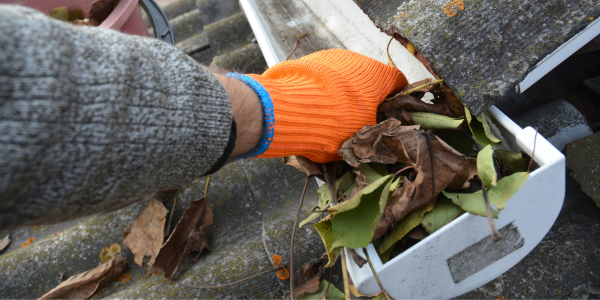
- Roofs, gutters, and drainage systems on common buildings and amenity structures. Clogged gutters and improperly graded drainage channels are among the leading contributors to water intrusion and flooding.
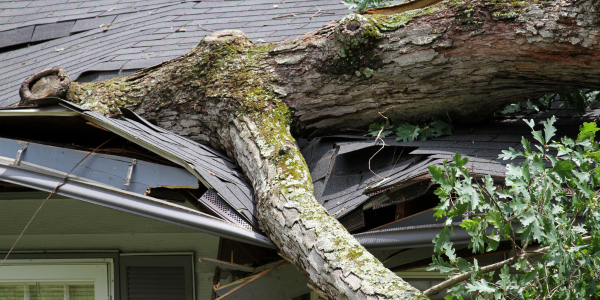
- Trees and landscaping. Dead or overhanging limbs are projectiles waiting to happen. A professional arborist or landscaping contractor can identify which trees pose storm risks and recommend trimming or removal before they become an emergency.
- Parking areas, pathways, and lighting. Ensure drainage is functioning properly and that lighting infrastructure is secure against high winds.
- Lift stations and utility shut-offs. Know where they are, ensure they are clearly labeled, and confirm they’ve been recently serviced. Lift stations should be inspected and serviced before storm season. A failure during a storm can quickly escalate into a much larger problem.
Document what you find. Photographs and written records are valuable for both planning repairs and any insurance claims that may follow a storm event.
Confirm Insurance Coverage Is Adequate
A spring storm review is an ideal opportunity to sit down with your association’s insurance agent to verify that your master policy remains appropriate for your community’s current needs. Boards should confirm coverage for common-area structures, liability for storm-related incidents, and any community-owned equipment, such as generators or recreational amenities.
Ask specifically about flood coverage, as standard property policies often exclude flood damage. This is a critical gap in regions prone to heavy spring rainfall. If your community has aging infrastructure or recently completed capital improvements, those changes may affect your coverage requirements.
Keep a copy of all insurance policies and agent contact information within your emergency plan, along with clear instructions on how to initiate a claim. In the disorienting hours after a storm, having this information readily accessible can save significant time and stress.
Establish a Clear Communication Plan
One of the most common failure points during a community emergency is not the storm itself. It is the communication breakdown that follows. Residents are anxious. They want information. If the board and management team are not prepared to deliver clear, consistent updates, misinformation quickly fills the void.
Before the spring storm season, your board should:
- Designate a single point of contact for communicating with residents during an emergency. Mixed messages from multiple sources create confusion.
- Confirm resident contact information is up to date in your community’s communication platform. If residents have not updated their email addresses or phone numbers in your portal, now is the time to prompt them to do so.
- Identify your communication channels. Email, text alerts, your community website, and your resident portal are all valuable tools, but residents need to know in advance which channels to monitor during an emergency. Make this clear in any pre-storm communications.
- Consider residents with special needs. Are there elderly residents, individuals with mobility limitations, or non-English speaking households who may require additional outreach? Building a list of residents who may need extra assistance during an evacuation or emergency makes an enormous difference.
Vet and Pre-Authorize Your Vendor Network
When a storm hits, and your community needs emergency tree removal, water extraction, or structural assessment, you do not want to be searching for vendors on short notice. The post-storm period is when prices spike, and availability dries up fast, and that is also when unqualified contractors appear, looking to take advantage of communities in crisis.
Now is the time to:
- Confirm relationships with your core vendors — landscaping, roofing, plumbing, electrical, and general contractors. Verify that they carry appropriate licensing and insurance.
- Ask whether they offer emergency or priority response agreements. Some vendors will provide preferred scheduling to managed communities in their network in exchange for a standing relationship.
- Establish a list of at least two to three debris management vendors. Significant storm events can generate substantial debris, and having multiple options in place prevents costly delays in cleanup.
Your community manager should have this vendor list ready to go when a storm is approaching.
Educate and Empower Your Residents
Boards often focus entirely on the association’s responsibilities during an emergency, which is appropriate, but resident education is equally important. A community whose homeowners know what to expect and how to respond is a safer, more resilient community.
Before spring storm season, consider distributing a simple preparedness communication to residents that covers:
- What the association will and will not be responsible for during a storm event
- Reminders to secure outdoor furniture, décor, and personal property that could become a hazard
- Basic household preparedness guidance (flashlights, non-perishable food, a portable charger, important documents)
- Contact information for local emergency services and shelters
- How and where to report storm damage to the association
This kind of proactive communication sets expectations, reduces post-storm friction, and reinforces the value of professional community management.
Assign Roles and Hold a Pre-Season Board Discussion
Emergency preparedness is not a solo effort. Before the spring storm season, schedule a brief board discussion, even 30 minutes during a regular meeting, to assign specific roles and responsibilities. Who is the primary board contact during an emergency? Who provides backup if that person is unavailable? Who authorizes emergency spending beyond normal thresholds? Who coordinates with the community manager?
Having clear answers to these questions before an emergency occurs means faster, calmer decision-making when it counts.
Spring storms are a fact of life. What does not have to be is the level of damage, disruption, and distress that follows them. Boards that invest time now in reviewing their emergency plans, inspecting infrastructure, verifying insurance, and coordinating their communication and vendor networks are the ones whose communities recover faster and whose residents feel genuinely supported.
CAMCO’s team of experienced community managers is here to help guide your board through every step of emergency preparedness. Whether you are updating an existing plan or building one from scratch, we bring the experience, relationships, and tools to help your community stay ahead of whatever the season brings.
Frequently Asked Questions (FAQs)
- How often should our HOA or condo association review its emergency response plan?
Emergency plans should be reviewed at minimum once a year, ideally before storm season begins. Any significant changes to the community, like new infrastructure, shifts in board membership, new vendor relationships, or changes in resident demographics, should also trigger a plan review outside the annual cycle.
- Who is responsible for emergency preparedness in a community association?
The board of directors carries the fiduciary and ethical responsibility for ensuring the community has an emergency preparedness plan in place. In practice, community managers play a critical role in researching, compiling, and implementing the plan under the board’s direction. The two work together most effectively when roles are clearly defined in advance.
- Does our HOA’s master insurance policy cover storm damage?
It depends on your specific policy. Most master policies cover damage to common area structures and shared amenities, but flood damage is frequently excluded and requires a separate policy. Boards should review their coverage annually with a licensed insurance professional to ensure there are no critical gaps, particularly as climate-related weather events become more frequent.
- What should residents be doing to prepare for spring storms on their own?
Residents should secure any outdoor furniture, potted plants, or decorative items that could become wind-driven hazards. They should also maintain their own emergency supply kit, including flashlights, extra batteries, bottled water, non-perishable food, essential medications, and important personal documents. The association handles common areas, but individual units and homes are the homeowner’s responsibility.
- How can we communicate with residents quickly during a storm emergency?
The most effective approach is a multi-channel strategy that includes email, SMS text alerts, and your community’s resident portal, used simultaneously, with one designated spokesperson controlling the messaging. The most important step is deciding which channels you will use before an emergency, so residents know exactly where to look for updates when one occurs.