Summer arrives fast, and for community managers and HOA boards, it arrives with a full inbox, packed amenity schedules, and residents who expect everything to run seamlessly from day one. The communities that thrive in summer are not the ones that react well. They’re the ones who plan early.
At CAMCO, we have spent decades helping boards across the region navigate every season with confidence. Here’s your practical, no-fluff checklist for getting ahead of summer before it gets ahead of you.
1. Conduct a Thorough Post-Winter Property Inspection
Before anything else, walk the property or schedule a professional inspection to identify what winter left behind. Pavement, fencing, common area structures, and drainage systems are all vulnerable to seasonal wear and should be assessed before warm weather brings heavier foot traffic.
Key areas to inspect include:
- Sidewalks and parking lots for cracks, heaving, or drainage issues
- Common area fencing and gates for damage or instability
- Playground equipment and outdoor furniture for wear, rust, or structural concerns
- Irrigation systems for broken heads or leaks after winter dormancy
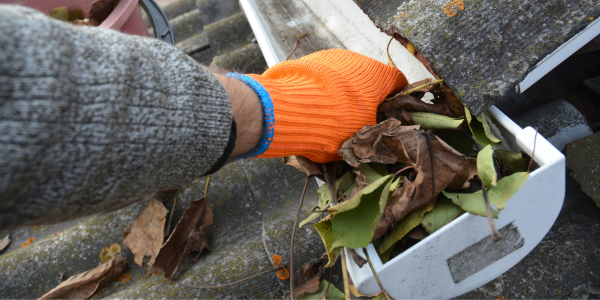
- Roofing and gutters on shared structures (clubhouses, carports, mail stations)
Catching issues in May means repairs can be completed before residents are relying on those spaces daily. Waiting until July means delays, frustrated homeowners, and higher costs.
2. Open the Pool the Right Way — Not the Fast Way
The community pool is the crown jewel of summer amenities, and it is also one of the most compliance-heavy responsibilities a board manages. A rushed pool opening is a liability waiting to happen.
Start with these non-negotiables:
- Apply for your annual operating permit early. Local health departments often conduct inspections before issuing permits, and those inspection windows book up fast. Don’t wait until too late to start this process.
- Schedule a professional pool inspection to identify any necessary repairs to equipment, drain covers, gates, or fencing before opening day.
- Review and update the posted pool rules to ensure they reflect current regulations and are clearly visible to all users.
- Confirm your water testing and chemical maintenance plan is in place with a licensed vendor.
- Verify compliance with ADA accessibility requirements and any applicable local or state health codes.
Boards should also revisit pool rules annually. Guest policies, capacity limits, hours of operation, and supervision requirements can all be areas of confusion. Clear, visible, consistently applied rules are your best friend.
3. Lock In Vendor Contracts and Service Schedules
Summer is peak season for landscapers, pool maintenance crews, pest control companies, and pressure washing services. If you haven’t locked in contracts by late spring, you may find your preferred vendors are already fully booked or charging premium rates.
Now is the time to:
- Review existing vendor contracts for scope, pricing, and performance expectations
- Solicit bids for any services where contracts are expiring or performance has been subpar
- Confirm schedules for landscaping and irrigation maintenance. This is often where communities spend 30–50% of their annual budget, so consistency matters
- Book seasonal services like pressure washing, painting of common structures, and pest control
Strong vendor relationships are built over time. If a contractor does not meet your standards, the summer planning season is the right moment to make a change.
4. Refresh Your Communication Strategy
Summer brings new residents, returning families, and a surge in community activity. It also brings noise complaints, parking disputes, and rule violations that could have been prevented with better communication.
Before the season kicks off:
- Send a seasonal community newsletter covering pool rules, landscaping expectations, event schedules, noise policies, and any rule updates
- Update your community website or resident portal with current documents, hours, and contacts
- Create a welcome packet for new move-ins with essential community information and seasonal rules
- Issue reminders about shared space etiquette, including respectful use of common areas, quiet hours, and guest policies
Proactive communication dramatically reduces reactive enforcement. When residents know what to expect and why, compliance improves, and the board spends less time managing conflict.
5. Plan Your Summer Events and Community Calendar
Resident engagement is one of the most underestimated tools in a community manager’s arsenal. Communities that invest in shared experiences, even simple ones, report higher resident satisfaction and stronger participation in governance.
For summer, consider:
- A community kickoff event (pool party, cookout, movie night) that brings neighbors together early in the season
- A mid-summer family event that boosts morale and builds community identity
- Volunteer or committee opportunities that give engaged residents a productive outlet
When planning events, build out a detailed budget that includes costs for food, entertainment, permits, and contingency funds. Take photos (with resident permission). They are great content for newsletters and social media, and they build excitement for future events.
6. Review Your Emergency Preparedness Plan
Summer brings not just heat, but also storms, power outages, and the unexpected. Now, before the season starts, make sure your emergency plan is current and actionable.
Confirm that:
- Emergency contact lists for board members, key vendors, and local authorities are up to date
- Communication systems (email, text alerts, resident portal notifications) are tested and functional
- Procedures for common emergencies — severe weather, pool incidents, infrastructure failures — are documented and accessible
A plan that lives in a drawer is not a plan. Make sure everyone on the board knows what to do and who to call.
Summer success does not happen by accident. It is the result of deliberate planning, proactive communication, and the kind of institutional knowledge that only comes with experience. When you are managing community infrastructure, vendor relationships, compliance requirements, and resident expectations all at once, having the right partner makes all the difference.
Frequently Asked Questions
Q: When should our HOA start preparing for summer?
A: Ideally, summer preparation should begin in early spring, especially for pool-related tasks. Operating permits, inspection appointments, and vendor contracts all require lead time that many boards underestimate. The earlier you start, the more options you have.
Q: How do we know if our pool rules are legally compliant?
A: Pool rules must align with your governing documents, local and state health codes, and federal regulations, including the Fair Housing Act (FHA) and the Americans with Disabilities Act (ADA). Rules around age-based restrictions and accessibility requirements are common areas where boards inadvertently create compliance exposure. We recommend an annual legal review, especially if any rules have been amended recently.
Q: What’s the best way to communicate summer rule updates to residents?
A: A multi-channel approach works best, including email or digital newsletters, updated postings on your community website or resident portal, physical signage at relevant amenities, and a direct mailing for high-priority updates. The goal is to ensure no resident can reasonably claim they were not informed.
Q: How do we handle vendor contracts that are not being fulfilled?
A: Start by documenting performance issues with dates and specifics, then communicate concerns to the vendor in writing with clear expectations and a timeline for improvement. If the contract allows termination due to non-performance, consult with your management company or legal counsel before taking action. The summer planning season is a natural checkpoint for evaluating whether existing relationships are working.
Q: Can CAMCO help our board with seasonal planning even if we already have some processes in place?
A: Absolutely. CAMCO works with boards at all stages, including those building their first operational playbook to experienced associations looking for a more strategic partner. Our role is to supplement your board’s strengths, not replace them.