As summer fades and leaves begin to turn, HOA & Condo Boards and managers face the important task of preparing the property for the colder months ahead. A proactive fall maintenance plan does more than tidy up before winter. It protects building systems from costly damage, preserves curb appeal, and keeps residents safe and comfortable through the season’s first freeze and beyond.
At CAMCO, we have guided hundreds of communities through this seasonal transition. The lesson that holds true every year is that associations that plan their fall maintenance early avoid emergency repairs, budget overruns, and frustrated homeowners when winter arrives. Below is a practical fall maintenance checklist for boards and community managers who want to enter the new season with confidence.
Clear Gutters and Inspect the Roof
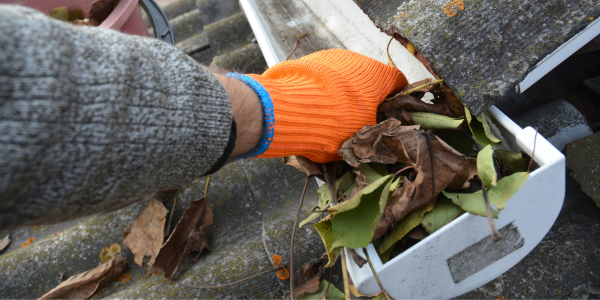
Gutters and downspouts play an essential role in protecting a building’s foundation and structure, and fall is when they take the heaviest hit. As leaves and debris accumulate, clogged gutters can back up water onto the roofline, leading to leaks, sagging, and eventual foundation issues. Boards should have a crew clear gutters and downspouts of leaves, twigs, and other debris that build up over the summer months, and confirm that downspouts direct water at least three feet away from the building’s foundation. While the crew is up there, request a visual inspection for cracks, sagging sections, or early signs of leaks, since a small repair now is far less expensive than a mid-winter emergency.
Prepare Irrigation and Outdoor Water Features
Freezing temperatures are unforgiving to any water left in pipes, sprinkler lines, or fountains. Before temperatures drop too low, associations should drain all sprinkler lines and ensure that outdoor water supplies, including fountains, are turned off and completely drained. Community pools also require their own winterization routine, which typically includes balancing chemicals, lowering or fully draining water levels, and securely covering the pool for the off-season. Addressing these systems early, rather than waiting for the first hard freeze, helps associations avoid burst pipes and expensive spring repairs.
Invest in Landscaping Now for a Better Spring
Fall is an ideal time for landscaping work that pays off months later. Fertilizing grassy areas and reseeding bare patches in autumn promote healthier growth when spring arrives, helping preserve the community’s overall aesthetic appeal. Many landscaping teams also plant annuals in landscaping beds and treat for bugs and weeds while conditions are still favorable. A well-maintained landscape is not simply a cosmetic detail. It directly affects property values and the first impression a community makes on prospective buyers, guests, and residents alike.
Schedule HVAC and Mechanical System Inspections
Common area heating systems work hard once cold weather sets in, and fall is the ideal time to confirm they are ready for the demand. Communal heating systems benefit from seasonal preventive maintenance, which typically includes inspecting boilers, furnaces, and central heating units, replacing dirty filters, and testing thermostats. It is also worth having ductwork and vents cleaned, which improves energy efficiency and reduces fire risk in shared mechanical spaces. Coordinating this inspection with a trusted HVAC vendor before the first cold snap helps associations avoid the long service wait times that pile up once winter officially begins.
Review Amenities, Lighting, and Common Areas
Shared amenities beyond the pool also warrant a fall review. Inspect playground equipment, tennis or pickleball courts, and clubhouse spaces for wear, secure them for reduced winter use, and clean them thoroughly before colder weather narrows outdoor maintenance windows. Outdoor lighting deserves particular attention, since shorter days mean residents rely more heavily on walkway and parking lot lighting. Confirming that every bulb and fixture is functioning properly is a simple task that improves resident safety.
Communicate the Plan with Residents
A fall maintenance plan is only as effective as the communication behind it. Informing residents about planned maintenance activities and potential disruptions, such as loud equipment use or temporary closures of common areas, keeps the community informed and reduces confusion. This is also a good opportunity to encourage residents to winterize their units by checking windows and doors for drafts and replacing their personal HVAC filters. Clear, proactive communication builds trust among the board, the management team, and the homeowners who rely on both.
Coordinate Vendors and Budget Early
None of the tasks above can be completed without reliable vendors and a realistic budget. Fall is a competitive season for landscaping crews, HVAC technicians, and roofing contractors, so boards that wait until the last minute often face longer wait times and higher rates. Building a fall maintenance calendar early in the season and locking in vendor commitments before demand peaks allow an association to control costs while still completing every priority task on schedule.
How CAMCO Supports Fall Readiness
CAMCO has grown into the region’s largest independent association management company by combining decades of experience with a local, family-business approach to every community we serve. Our team partners with HOA & Condo Boards to build seasonal maintenance calendars, coordinate trusted vendor relationships, and keep residents informed every step of the way. When a community partners with CAMCO, the goal is never simply to check items off a list. It is to deliver a level of care and foresight that protects property values and gives boards real peace of mind, season after season.
Frequently Asked Questions
- When should a community association begin fall maintenance planning? Start planning in early autumn, well before the first hard freeze. Scheduling vendors and ordering supplies early helps associations avoid the higher costs and longer wait times that come with waiting until the season’s busiest weeks.
- Why is gutter cleaning such a high priority in the fall? Clogged gutters prevent proper water drainage, which can lead to roof leaks, foundation damage, and interior water intrusion. Clearing them before winter is one of the most cost-effective ways to prevent major structural repairs.
- Does irrigation and pool winterization really need to happen before it freezes? Yes. Water left in pipes, sprinkler lines, or pool equipment can freeze, expand, and crack or burst pipes or components, resulting in expensive repairs that timely winterization can avoid.
- Should boards notify residents about fall maintenance work? Absolutely. Clear communication about maintenance schedules, equipment noise, and temporary amenity closures helps residents plan around the work and reduces calls and complaints a board or manager receives.
- How can a management company like CAMCO help with seasonal maintenance? An experienced management partner brings established vendor relationships, a proven seasonal maintenance calendar, and the operational oversight needed to complete every task on time and within budget, allowing board members to focus on higher-level community decisions.